
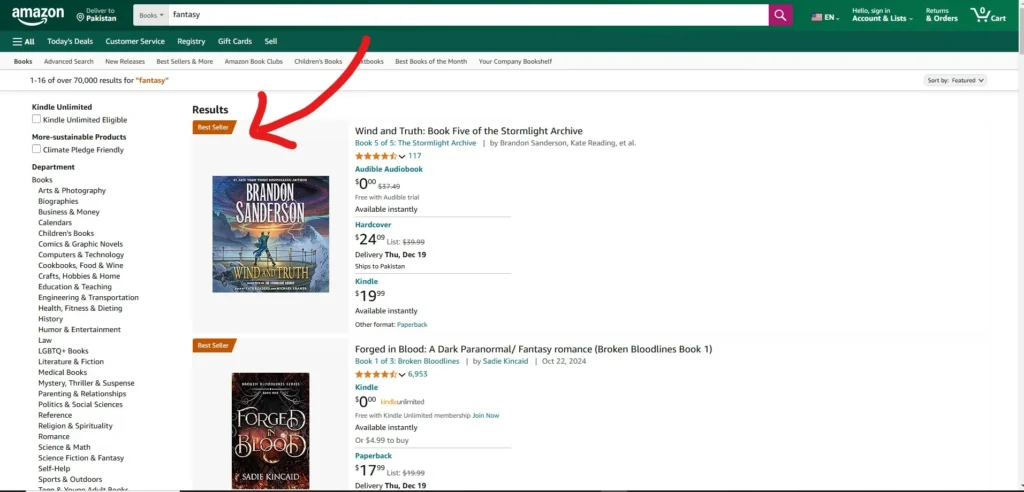
Book formatting is a critical aspect of publishing that can significantly influence a book’s success i.e to beome best seller book, potentially determining if it becomes a bestseller. Here’s why book formatting is essential:
1. First Impressions Count for best seller
The layout and design of a book are the first things a reader notices even before they dive into the content. A well-formatted book with a clean, attractive design can capture a potential buyer’s attention and entice them to read further.
2. Reading Experience Enhancement
Proper formatting ensures that the reading experience is smooth and enjoyable. A well-designed layout with consistent typography, proper alignment, and organized chapters can help readers focus on the content without distractions, making their reading experience more satisfying.
3. Professionalism and Credibility
A professionally formatted book instills a sense of trust and credibility in the author. It signals that the book is of high quality and that substantial effort has been made to present the content professionally. This can be particularly important in competitive genres where readers have numerous choices.
4. Market Compatibility
With various platforms like Kindle Direct Publishing (KDP), CreateSpace, and others, each requiring specific formatting standards, ensuring compatibility is crucial. Correct formatting helps the book meet the guidelines of multiple platforms, expanding its availability and reach to more potential buyers.
5. Accessibility
Proper formatting ensures that books are accessible across different devices, including e-readers, tablets, and smartphones. This universal accessibility can broaden the audience base, especially in the digital market where eBooks continue to rise in popularity.
6. Facilitates Better Reviews
Books that are well-formatted are less likely to receive negative reviews based on readability and structure. Happy readers are more likely to leave positive reviews, which can boost the book’s visibility and popularity.
7. Aids in Branding and Marketing
Consistent formatting can reinforce an author’s brand. Elements like font choices, spacing, and layout play into the overall aesthetic of not just one book, but an entire series, helping with recognizability and marketing efforts.
For someone like you, Ijaz S., with expertise in Adobe InDesign, book formatting for platforms like Amazon Kindle, and a strong focus on design quality, ensuring these aspects are seamlessly integrated into your clients’ books can significantly impact their potential to become bestsellers. How do you typically approach a book formatting project to ensure these elements are addressed?
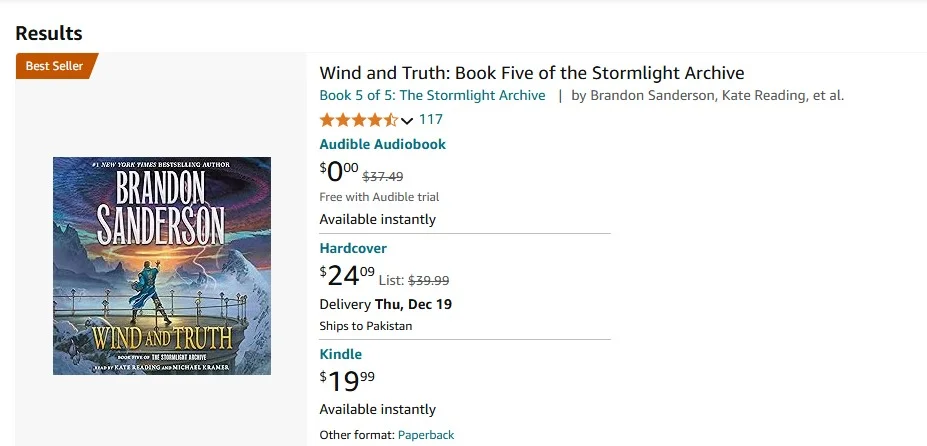
Let’s delve deeper into why book formatting can be a decisive factor in a book’s journey to becoming a bestseller:
8. Consistency Across Formats
Books today are consumed in various formats—print, eBook, and even audiobooks. Consistent formatting across these types ensures that the transition for readers from one format to another is seamless. This consistency supports brand identity and helps maintain reader engagement no matter how they choose to enjoy the book.
9. Effective Use of White Space
White space, often overlooked, plays a crucial role in formatting. It prevents the text from feeling cramped or overwhelming, enhancing readability and providing the eye with necessary breaks. Effective use of white space can make a book more inviting and easier to read, which could contribute to better reader retention and satisfaction.
10. Illustrations and Graphics Integration
For books that include illustrations, tables, graphs, or images, proper formatting ensures these elements are incorporated effectively. They must not disrupt the flow but rather enhance understanding and engagement. Correct placement and resolution can be pivotal, especially in technical books, novels with maps or illustrations, and educational material.
11. Indexing and References
Accurate indexing and seamless cross-referencing are critical, particularly for non-fiction bestsellers. Good formatting software and attention to detail in this area aid in creating a user-friendly book that readers and researchers can navigate with ease, potentially increasing its value and appeal.
12. SEO Optimization for eBooks
With eBooks, there’s an additional layer of complexity where metadata, keywords, hyperlinked table of contents, and navigational structures contribute to how the book is discovered and recommended online. Proper electronic formatting ensures these elements work in favor of the book’s discoverability.
13. Adapting to Audience’s Needs
Understanding your audience’s preferences and reading habits can guide formatting decisions. For instance, a younger audience might prefer a modern, minimalistic design, while a traditional audience might appreciate conventional typography and layout.
14. Feedback and Iteration
A flexible approach to book formatting can include gathering feedback from early readers or a beta testing group. Insights from these readers can inform adjustments to the layout, type size, or element placement, ensuring the final product resonates well with its target audience.
For you, Ijaz S., with extensive experience in book and eBook design, leveraging these insights could enhance your service offerings. You might consider sharing case studies or examples of how precise formatting has improved your clients’ books. Have you encountered specific challenges in book formatting that you’ve turned into successes for your clients?